Find the Cause of Your Pain. Build a Plan to Resolve it.
HCPC Registered | Royal College of Podiatry Member
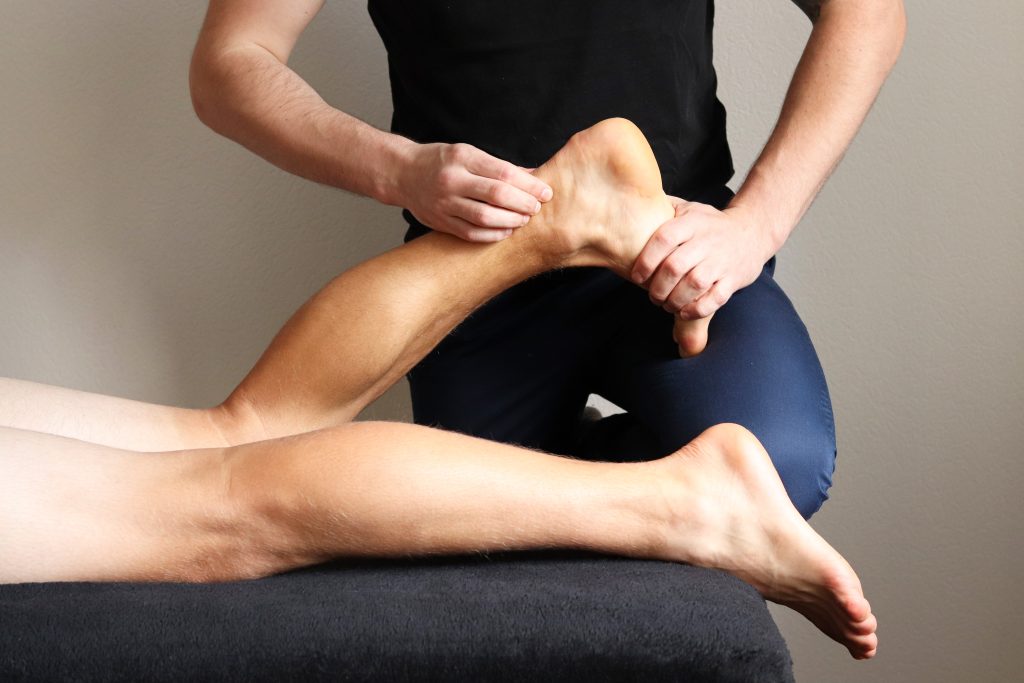
Your 60–90 minute assessment is designed to identify the mechanical cause of your symptoms and provide a clear, structured plan for recovery. Rather than focusing only on where your pain is, the aim is to understand why it has developed and what is maintaining it.
Pain rarely develops in isolation. The way your foot interacts with the ground influences how forces travel through the entire lower limb — including your knees, hips, pelvis and lower back. When tissues repeatedly experience more load than they can tolerate, pain and injury can develop. Identifying these loading patterns helps explain why symptoms persist and how they can be addressed.
Symptoms that have not resolved despite previous treatment.
Supporting recovery while avoiding ongoing overload.
Pain during or after activity, or recurring flare-ups.
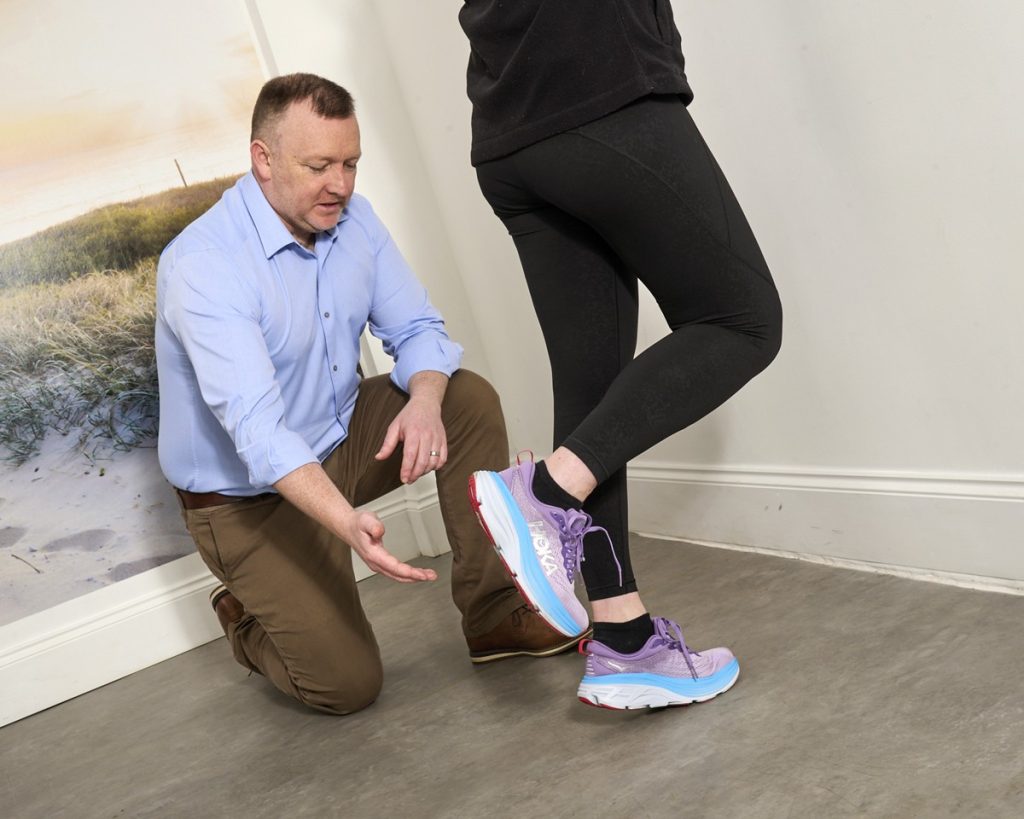
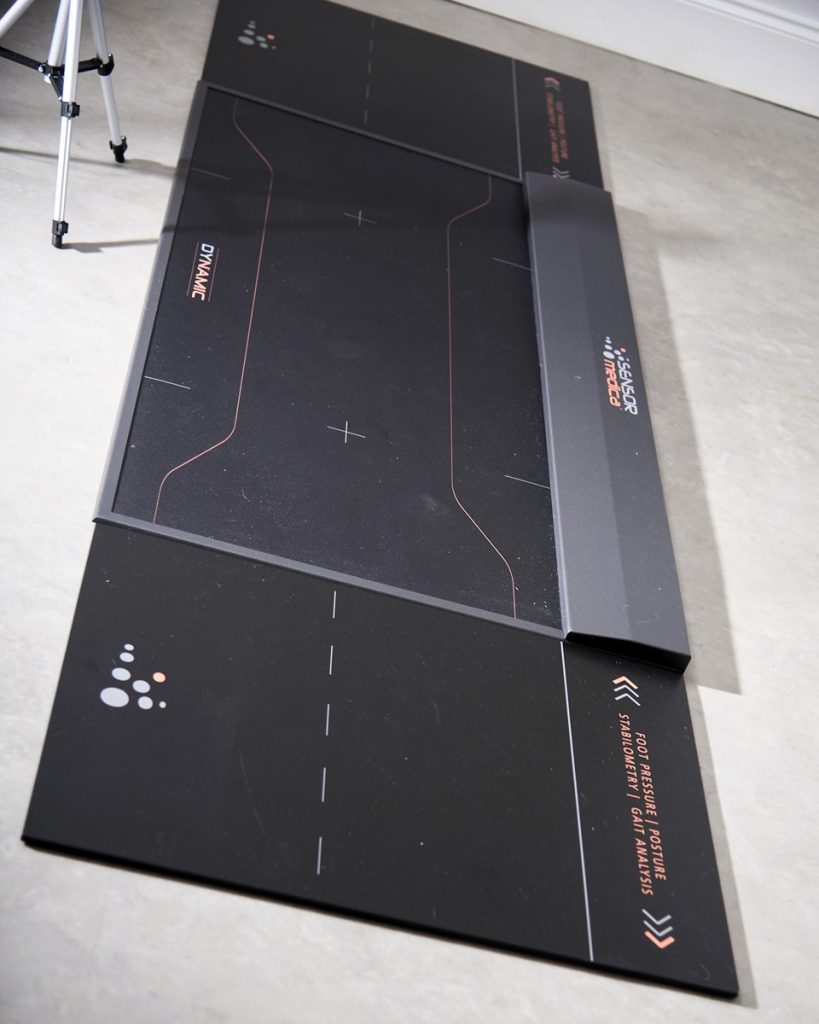
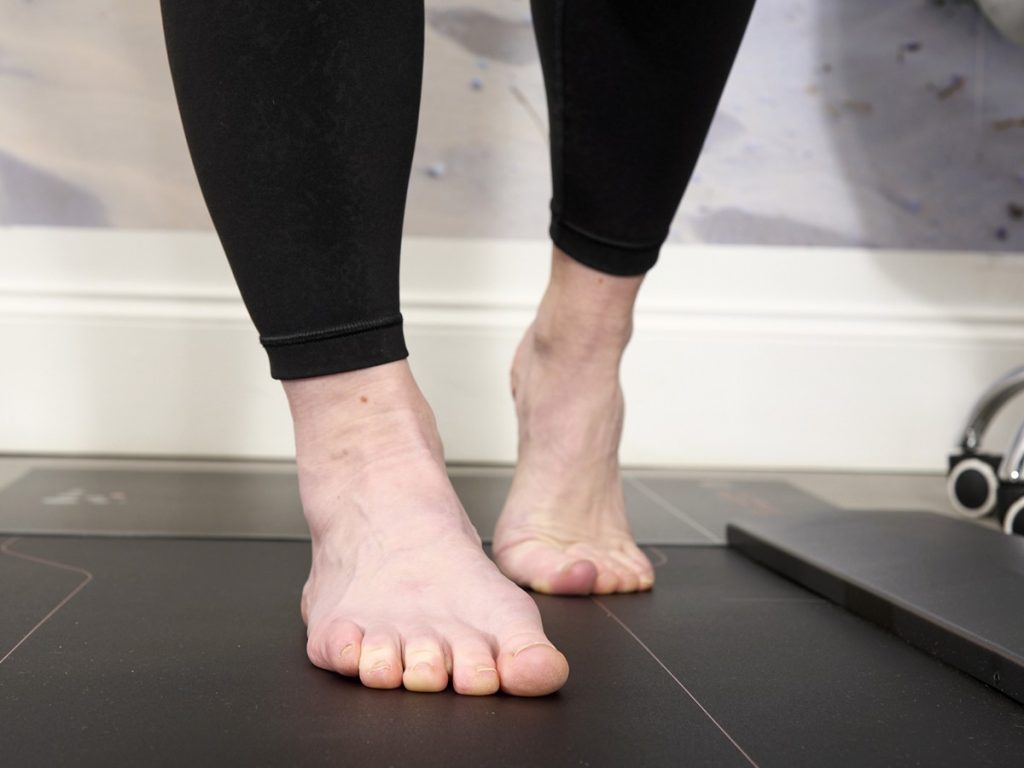
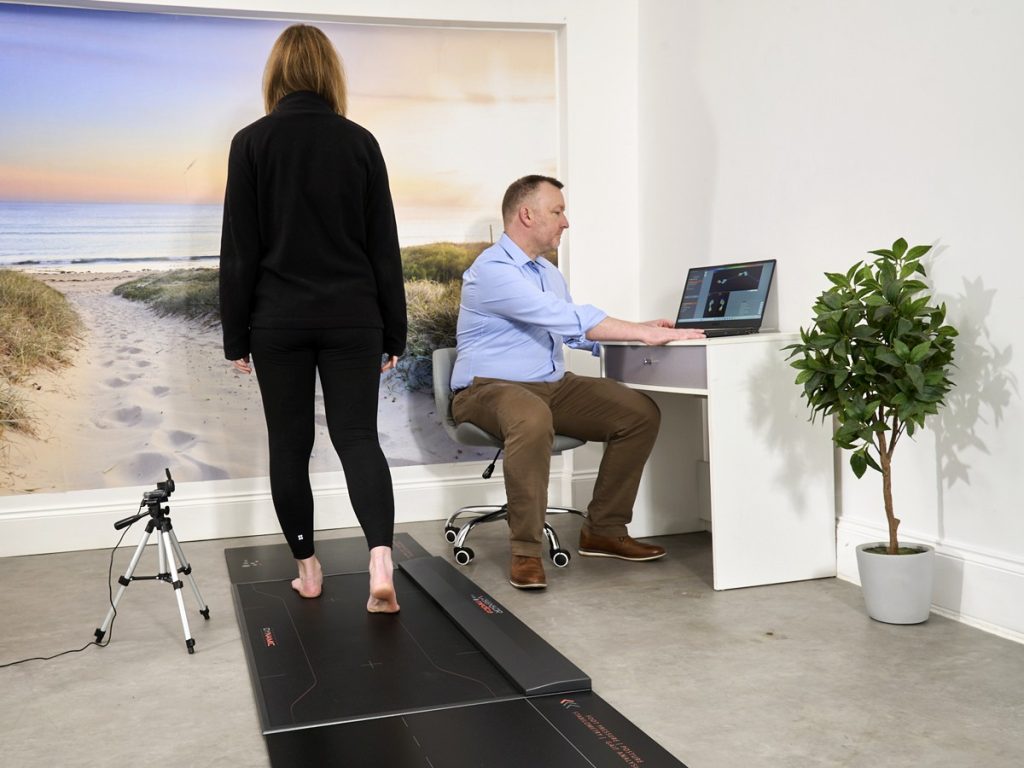
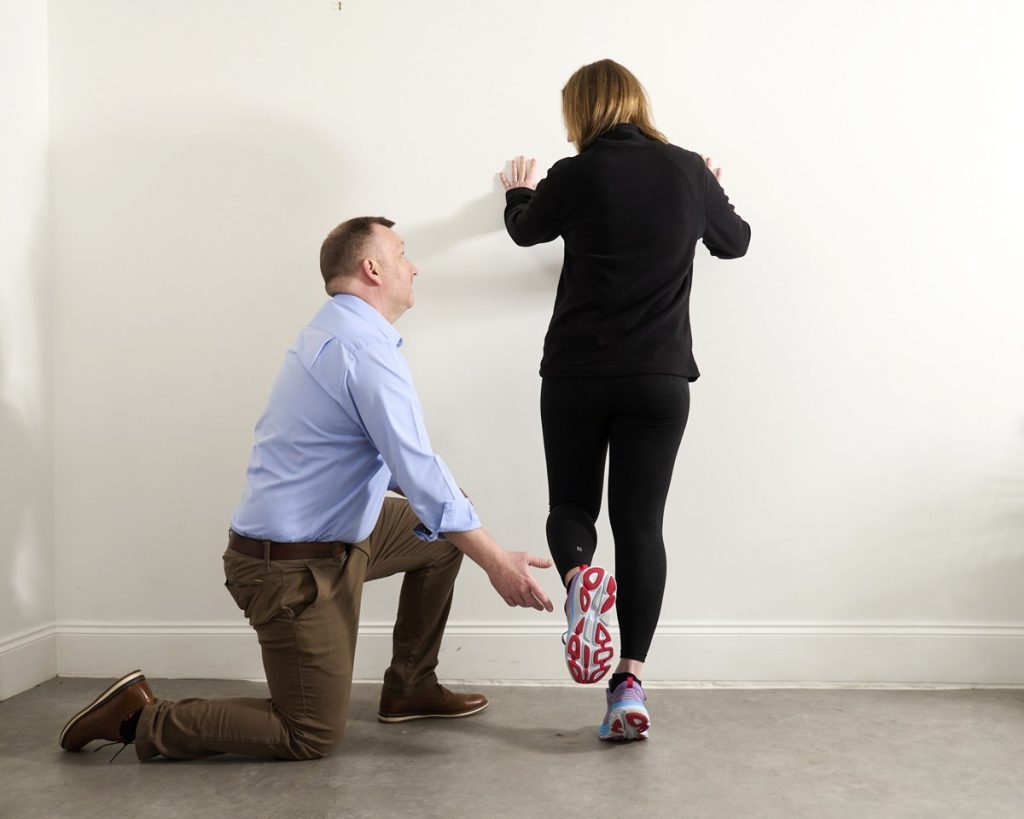
Understanding lower limb pain requires more than observation alone. Our assessments use objective measurement tools to analyse how your body loads, moves and compensates during walking.
These patterns can increase load on specific tissues and are often too subtle to detect without analysis.
Identifies where load is concentrated and how it contributes to symptoms.
Most lower limb pain develops when the load placed on a tissue exceeds its current capacity.
HCPC registered practitioner following recognised professional standards.
Assessment findings supported by measurable gait and pressure analysis.
Findings are reviewed and explained with a structured report and plan.
Non-mechanical findings are directed to the appropriate specialist.
We specialise in assessing and managing foot and ankle pain driven by mechanical overload and
movement patterns. These conditions often develop when repetitive stress exceeds tissue capacity over time.
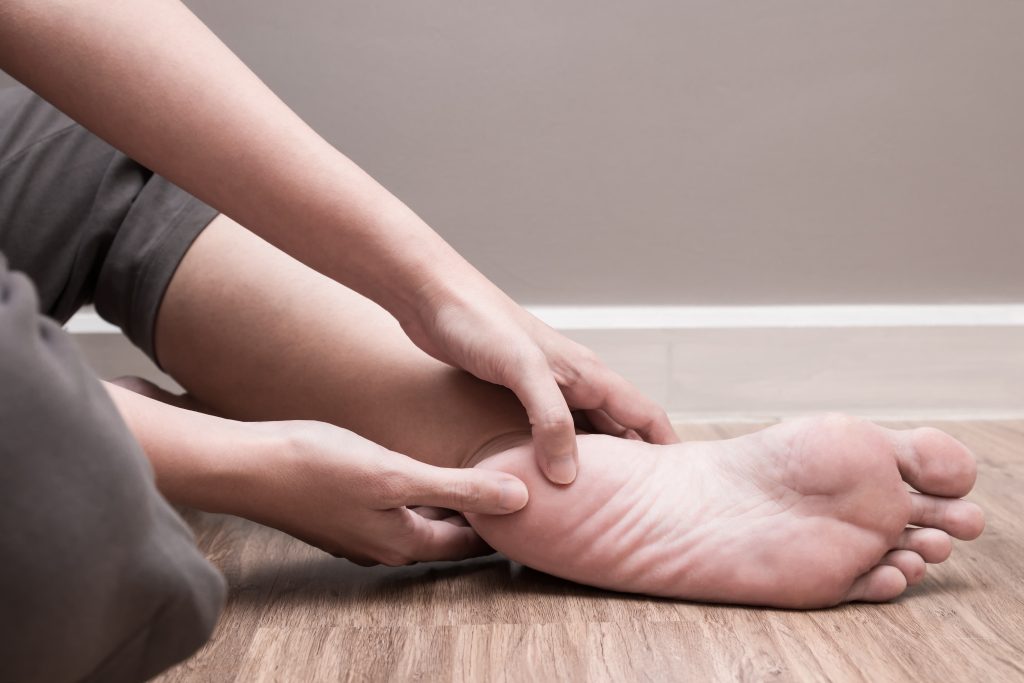
Pain under the heel, often worse with first steps or after rest.
Pain or stiffness at the back of the ankle, aggravated by walking or running.
Medial or lateral ankle pain linked to reduced foot stability and tendon overload.
Burning or sharp pain under the forefoot, often worse with weight-bearing.
Most foot and ankle pain does not require passive treatment, but responds to appropriate loading and progression. Management is structured in stages, guided by your assessment findings. This ensures care is targeted, progressive, and appropriate to your specific presentation.
This allows for a clear diagnosis of why symptoms have developed, not just where they are felt.
Rehabilitation forms the foundation of treatment.
Progression is structured and adapted based on your response.
In some cases, temporary load reduction is required to allow symptoms to settle while capacity improves.
These strategies are used to support rehabilitation, not replace it.
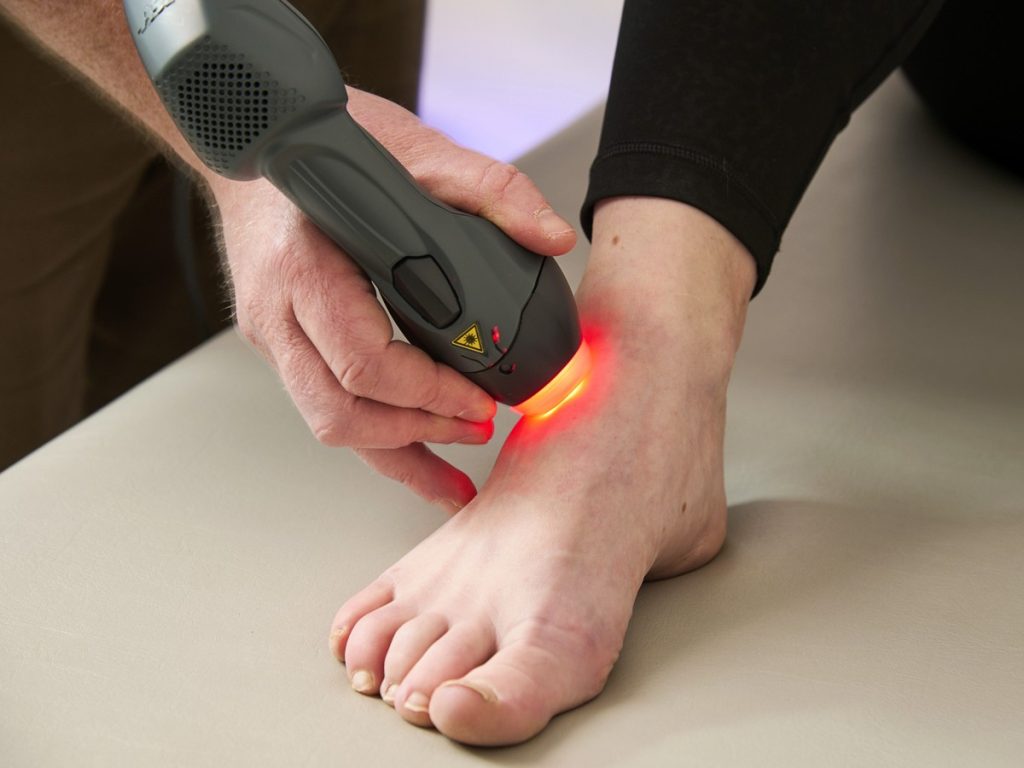
In specific cases, targeted interventions may be introduced to assist symptom reduction and progression.
These interventions are selected based on your assessment findings and stage of recovery, and are used to support progress rather than act as standalone treatments.
Many approaches focus on symptoms rather than the underlying mechanical cause. If load is not addressed, symptoms often return.
Recovery varies depending on the condition, severity and consistency of rehabilitation. Most patients improve over weeks to months rather than days.
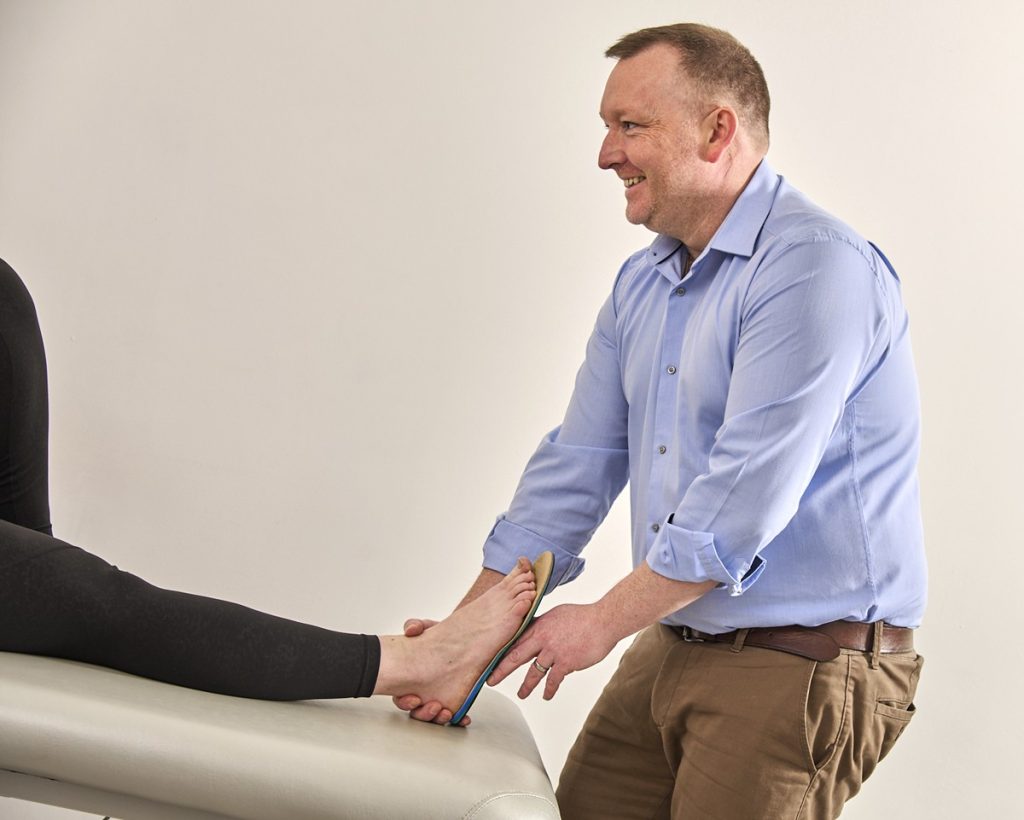
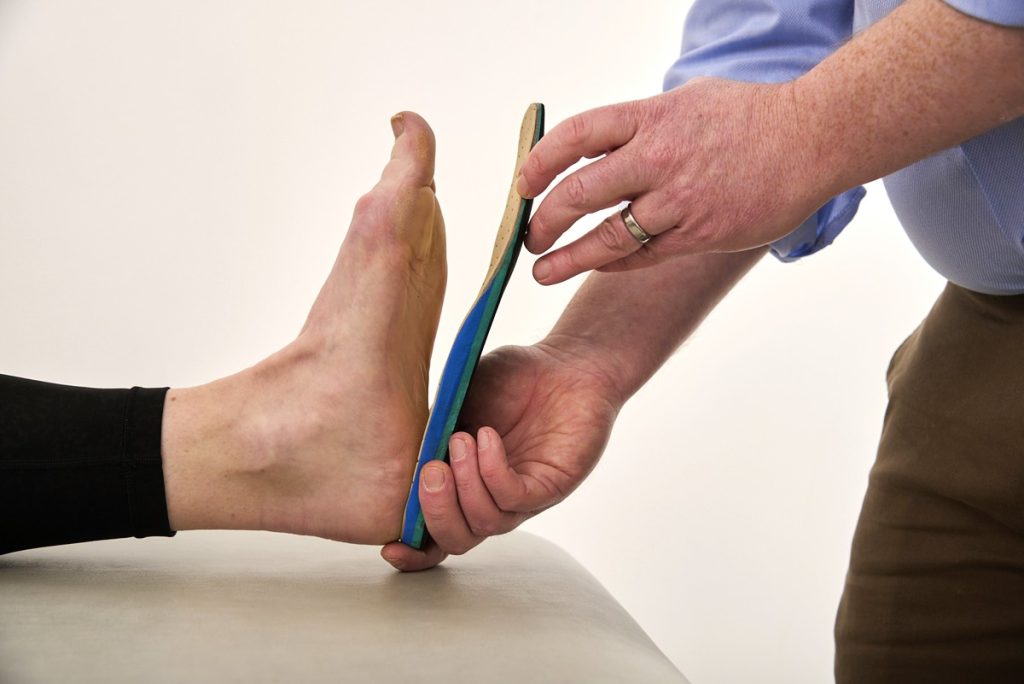
Orthoses can help redistribute load in certain cases, but they are used alongside rehabilitation rather than as a standalone solution.
If assessment findings suggest a different cause, you will be advised and guided toward the appropriate specialist.
Book an assessment to review your movement, understand your loading patterns,
and receive a clinically grounded plan tailored to your symptoms.